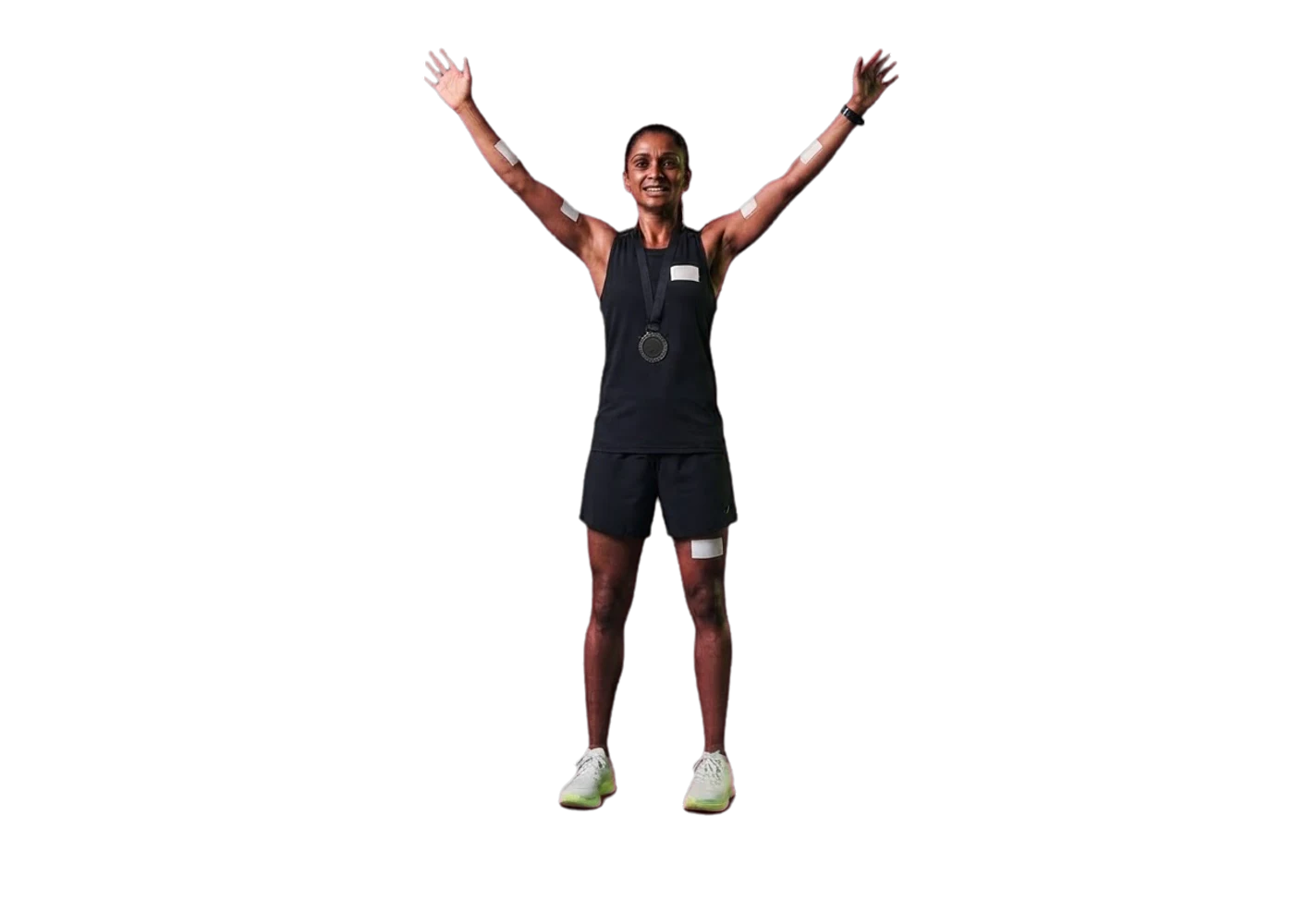
Brands don't just get seen. They go with you to the finish.
Sponsor real athletes at races, on their training runs, and in the journeys in between. Not followers — people, doing hard things, in front of exactly the crowd you have been trying to reach.
- Real athletes, not influencers
- You approve every brand
- Free to join, no following needed
Athletes keep 65% of every campaign they rep. Nothing is published, and no brand goes on you until you approve it. See how it works
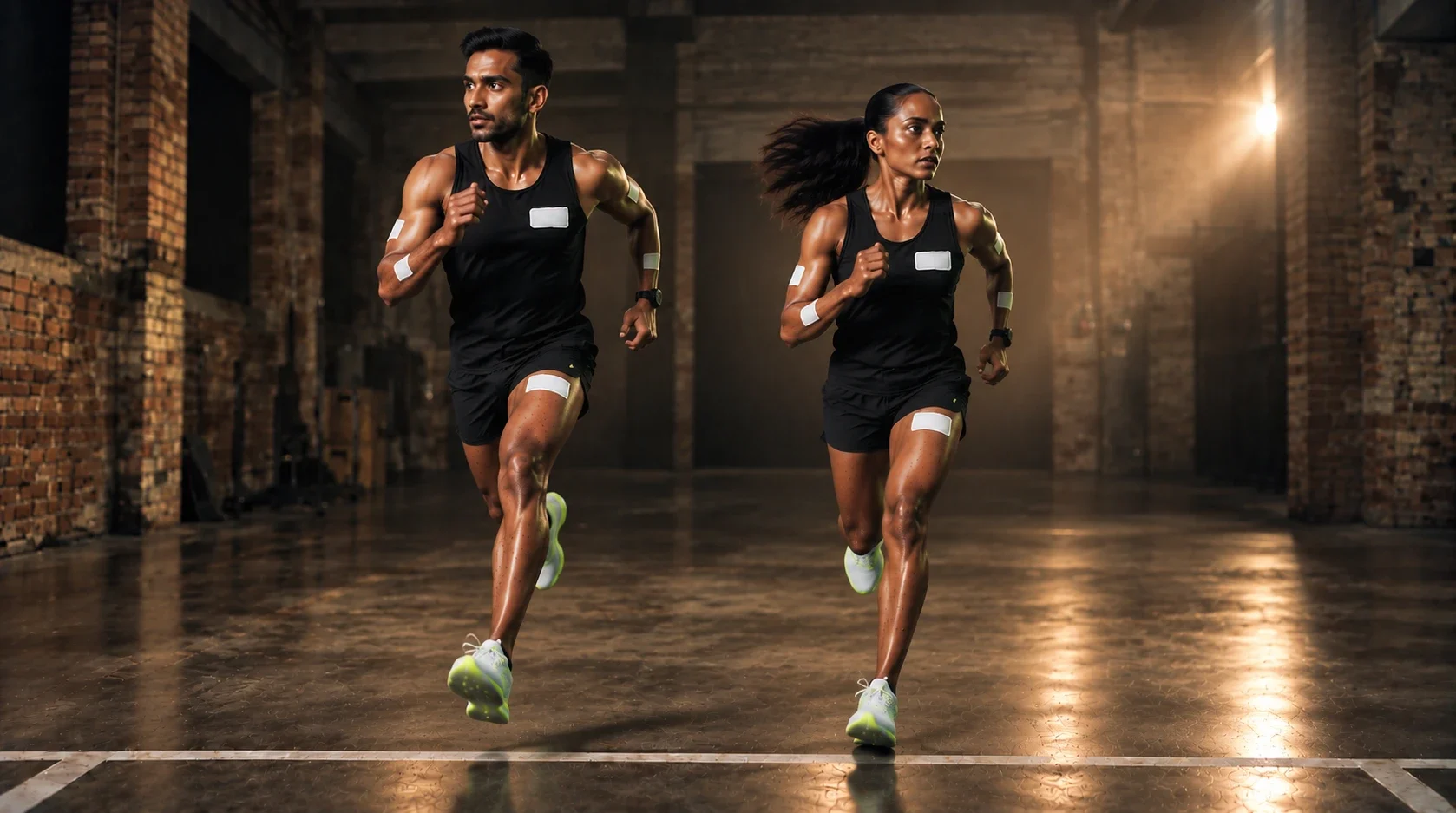
They chose the brand. Every rep represents.
Real athletes
Everyday racers, not elites. Extraordinary stories either way.
Real exposure
On race day, in training, and in everything between the two.
Real opportunities
Flexible, affordable, and proven with evidence you can hold.
Real impact
The brand grows. The athlete's racing gets paid for.
What do you rep?
Every rep represents
Rep is the repetition. The five o'clock alarm, the failed lift, the extra kilometre, the session nobody photographed. Those are the reps that built you.
Rep is to represent. When you choose to wear a brand, you are not displaying a logo. You are standing for something, in front of people who know you.
Rep is the representative. A real person, in a real place, doing a real thing — which is the one form of advertising nobody has learned to scroll past.
Rep something worth representing.
Start on your side
For brands
Marketing at the races you can't sponsor
The event's own sponsor board is sold, and you were never going to outbid a shoe company for it. This is the way in: real people racing in your name, in front of exactly the crowd you want, because they agreed to carry it.
- Pick the race, the city and how many athletes
- Approve every athlete before anyone lines up
- Race photos and #Ad posts prove each placement
For athletes
Get your racing paid for
You paid the entry. You bought the shoes. You did the twelve weeks. Open a spot on your kit or your skin, name what it is worth to you, and race exactly the way you were going to race anyway.
- Free to join, and no following required
- You set the price, and no brand goes on you until you approve it
- The money is in before the gun, and the tattoos arrive before race week
Run a race instead? Organisers approve every brand that appears at their event and take a share of every placement. Start a pilot
The podium gets the sponsors. The start line gets nothing.
Thousands of people race across India every month — marathons, triathlons, obstacle courses, hybrid events, a club meet on a Sunday morning. They train for months, pay their own entry, and run past crowds and cameras with nothing on them.
And racing is not cheap. The entry, the travel, the shoes, the months at a gym before it — the sport asks you to fund all of it yourself, first, before anyone knows whether you are any good. Plenty of people who would be very good at this never find out.
Meanwhile there are brands who will never afford to sponsor the event, and could easily afford twenty of the people running it. Nobody had put those two in the same room. That is the whole idea: the brand gets its marketing, and the athlete gets their racing paid for.
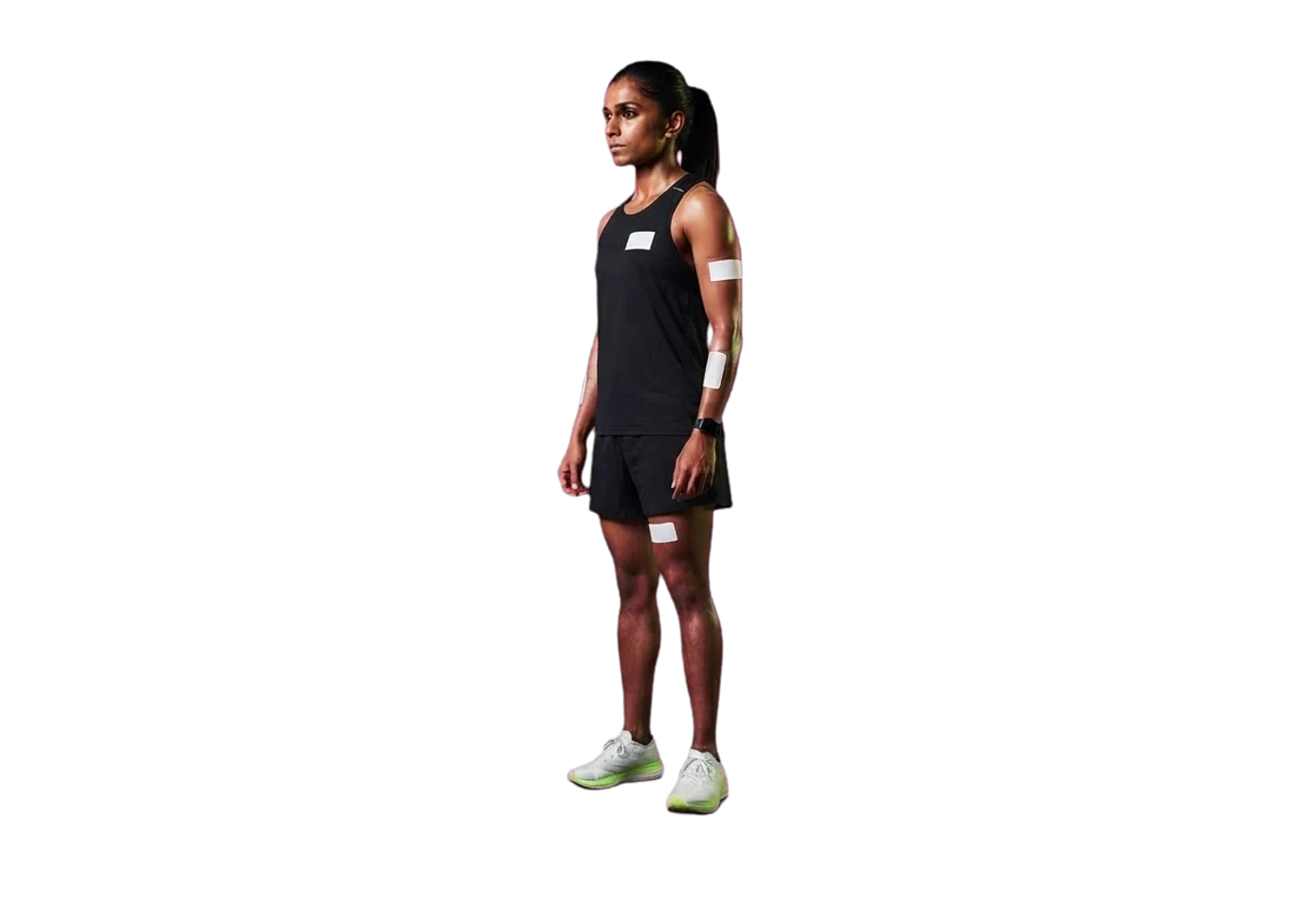
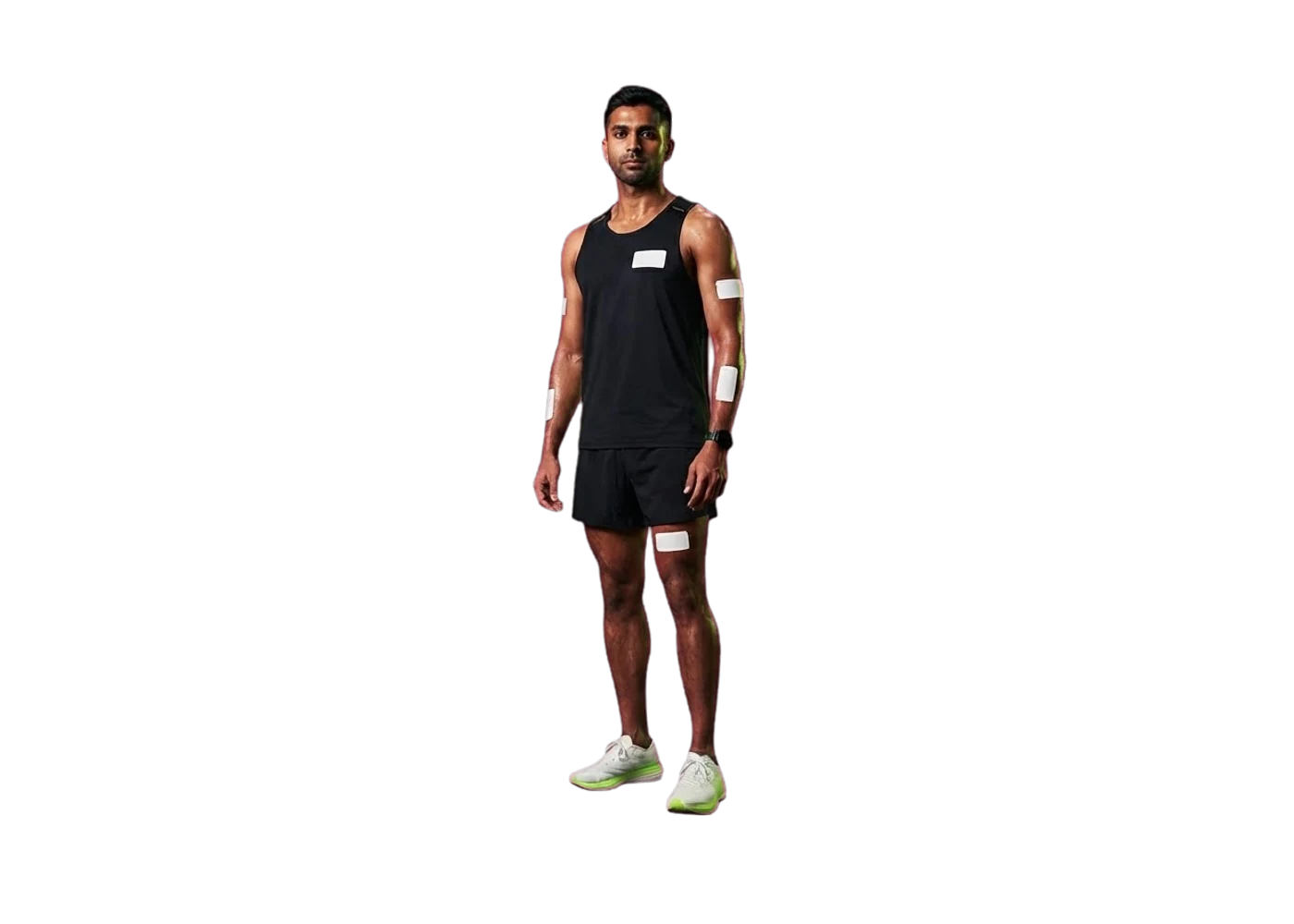
A banner can't choose you
Traditional sponsorship rents you space. A backdrop, a finisher tee, a poster at the expo. Anyone with a budget can rent the same space, and nobody remembers who did.
This works the other way round. An athlete looks at your brand and decides whether they want it on them for four hours in front of everyone they know. When they say yes, they are not renting you skin. They are telling a start line full of people that this is what they run in.
01 — Visibility
You show up where the right people already are
Nobody at a race is scrolling. They are standing in a start pen, lining a course, waiting at a finish line — and every one of them already cares about training, kit, food and recovery. That is your customer, in one place, for four hours.
02 — Representation
Somebody stands behind you
The athlete carrying your name looked at your brand and agreed to it. They get asked about it at the start line, in the comments, at their gym on Monday. A banner cannot answer that question. A person can.
What advertising buys
What an athlete gives you
A logo on a backdrop
A person who picked your brand
Space rented beside a finish line
Your name in their race photos, reels and stories
An impression nobody can attribute
A recommendation with a face on it
Anyone with a budget can buy it
Only an athlete who agrees can give it
How REPD works
Simple, transparent, and built for the athlete first.
01
A brand lists a campaign
They choose the placements they want, the races or the training block, and what they will spend.
02
Athletes apply
You put yourself forward for the campaigns that fit the race you had already entered. Free, and no following needed.
03
Approval
We verify the athlete, and clear the placement with the race organiser wherever their rules require it.
04
Rep the brand
You wear it and make what was agreed — and you race exactly the way you were going to race anyway.
05
Get paid
Proof is checked by hand. Once it clears, the money is yours.
Athletes keep 65% of every campaign they rep. The rest covers the tattoos, the proof-checking and the race organiser's share.
The sport doesn't matter
Running, triathlon, duathlon, hybrid fitness, obstacle, cycling, a club meet on a Sunday morning. What matters is that people are watching, and that you are one of the people they came to watch. Here is what each one actually has to sell.
Running
5K, 10K, half and full marathons
- Bicep
- Race shirt
- Cap
- Finish photo
Triathlon & Ironman
Sprint to full distance
- Tri-suit chest
- Thigh
- Helmet
- Bike frame
- Bottle
Hybrid fitness races
Runs plus workout stations
- Chest
- Bicep
- Upper back
- Race-day reel
Obstacle races
Mud runs and military-style courses
- Race shirt
- Forearm
- Thigh
- Mud-covered finish photo
Cycling & duathlon
Cyclothons and road events
- Jersey
- Helmet
- Bike frame
- Bottle
- Forearm
Local runs & gym meets
Your city, any weekend
- Race shirt
- Bicep
- Cap
- Training reel
Keep scrolling for one race, station by station, and where a brand is actually seen at each one.
Start Line
8 runs + 8 stations
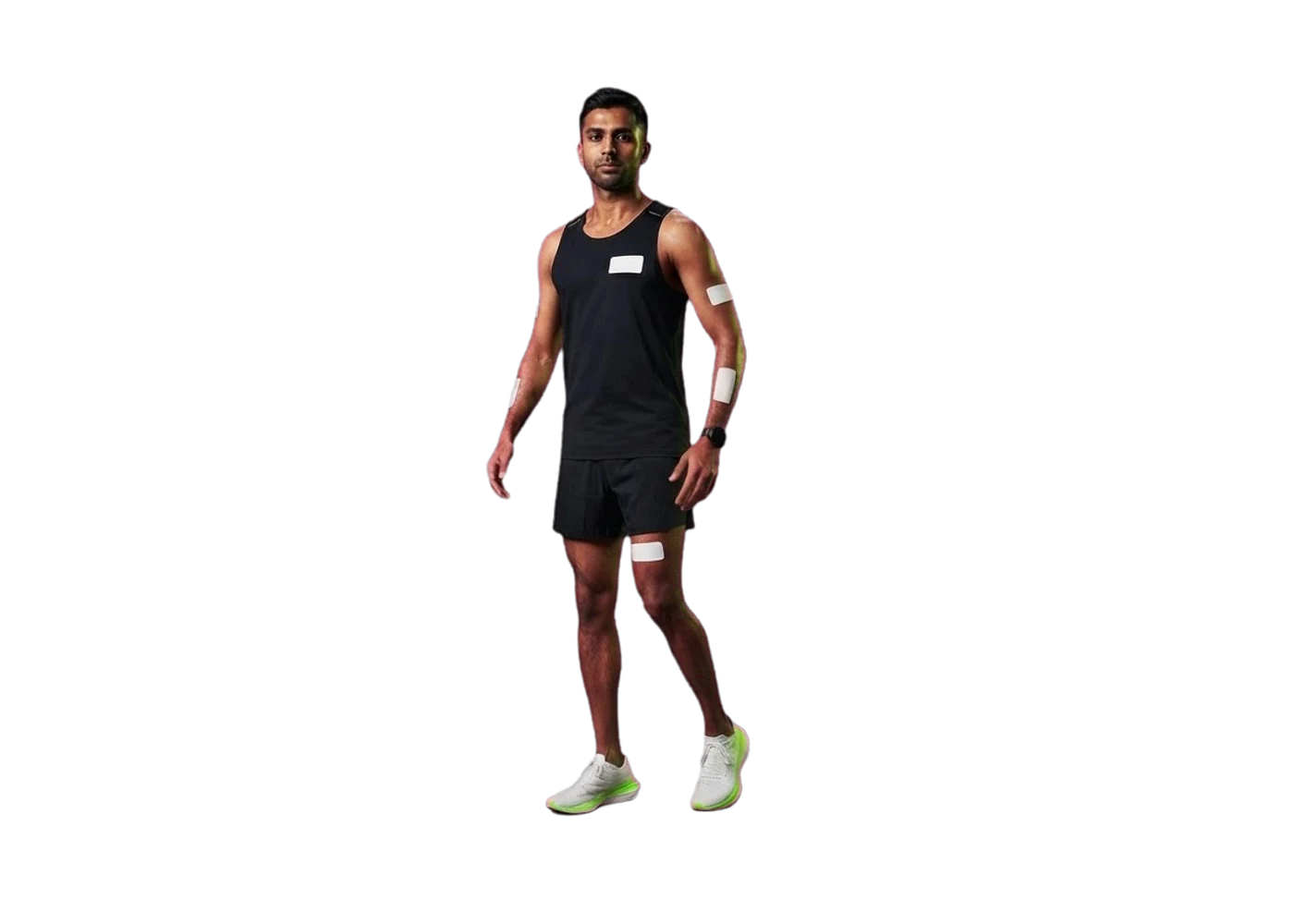
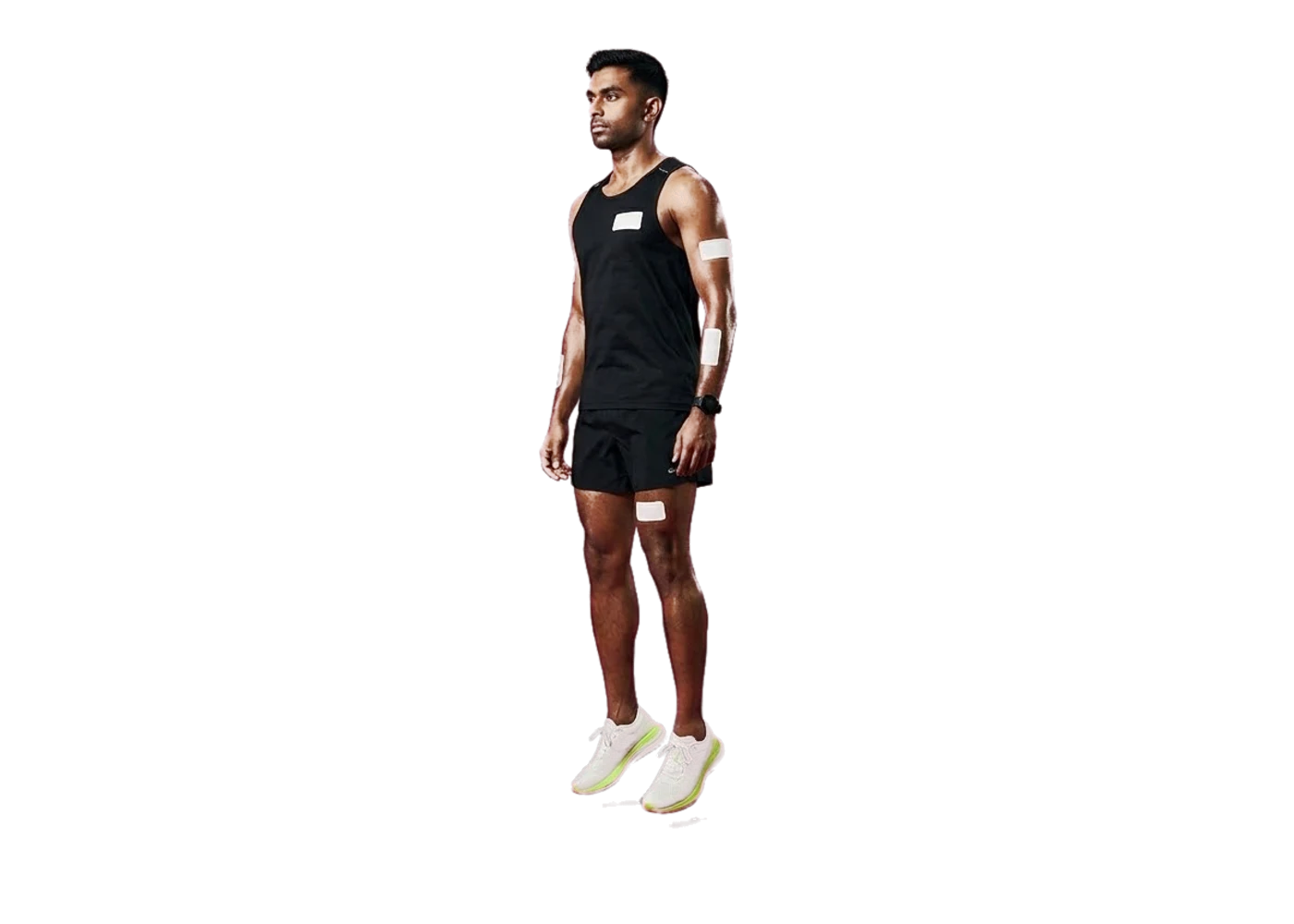
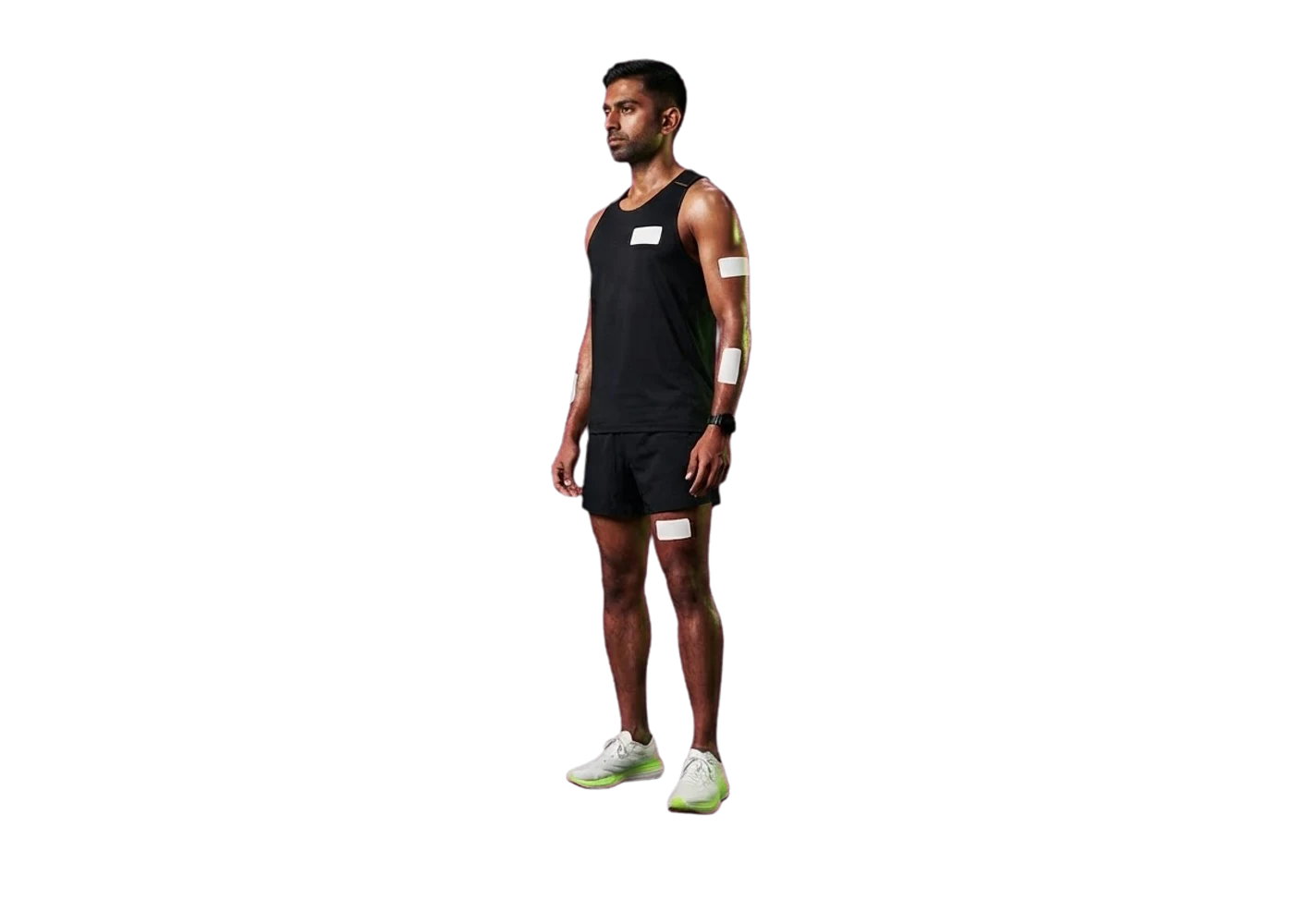
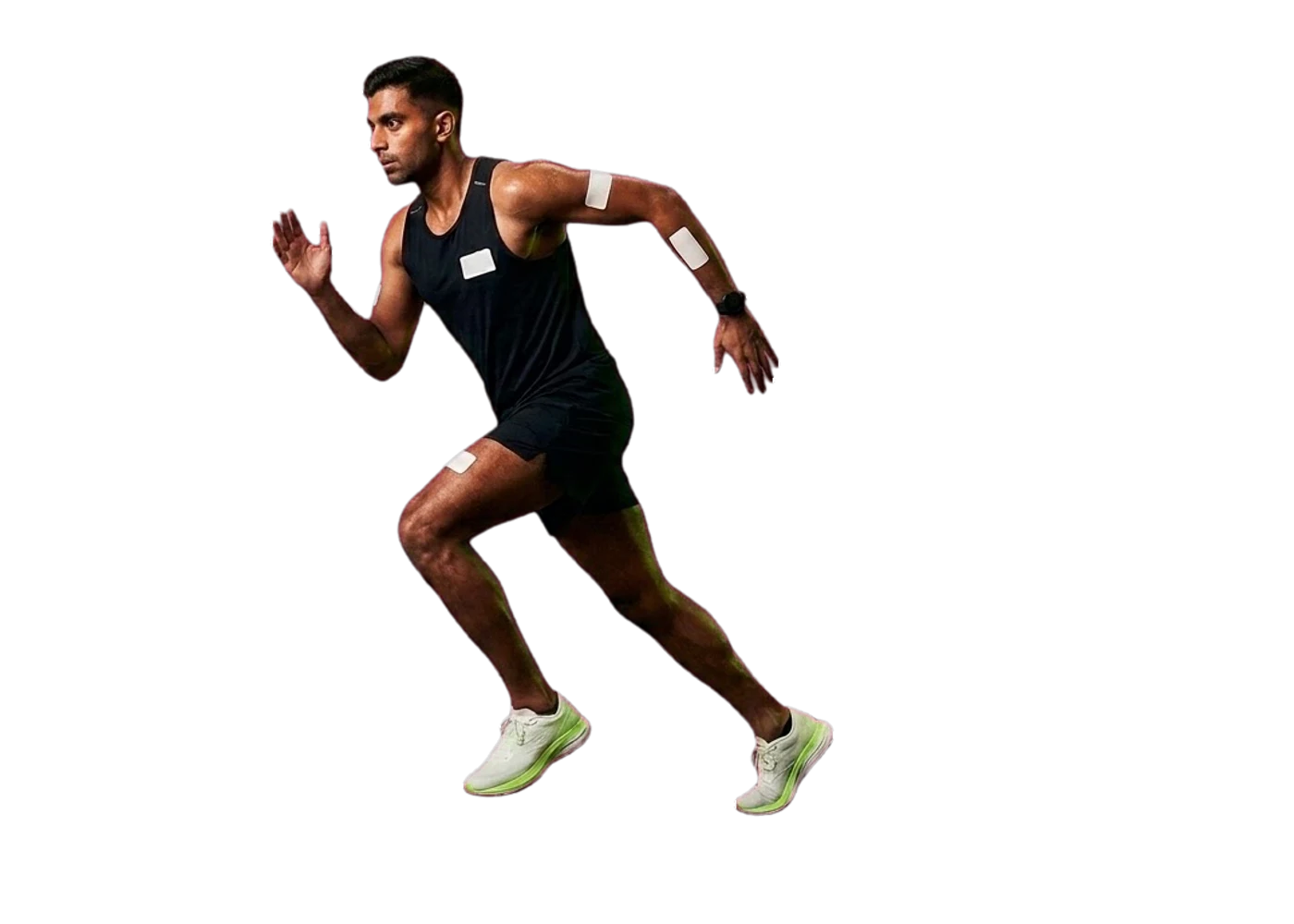
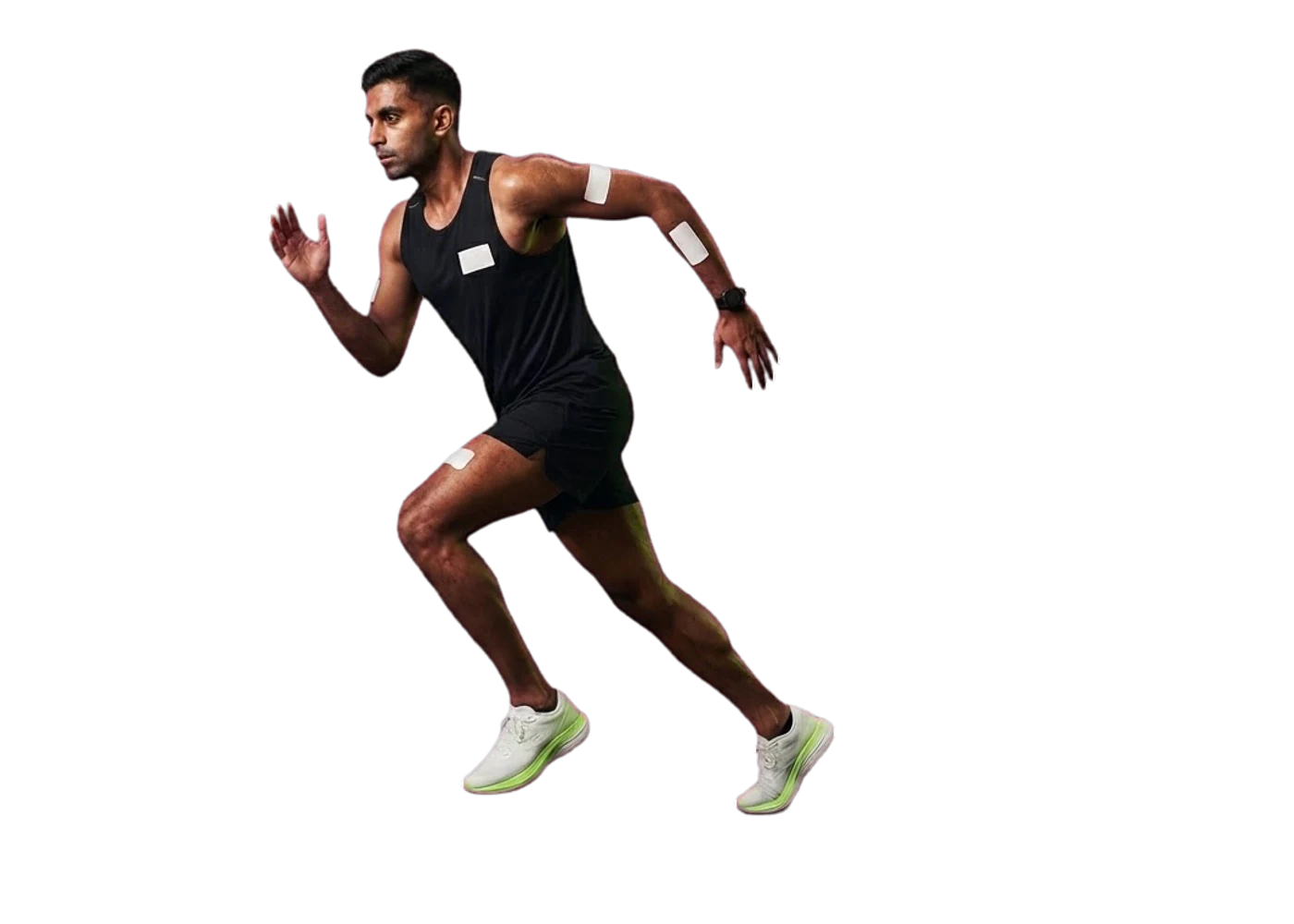
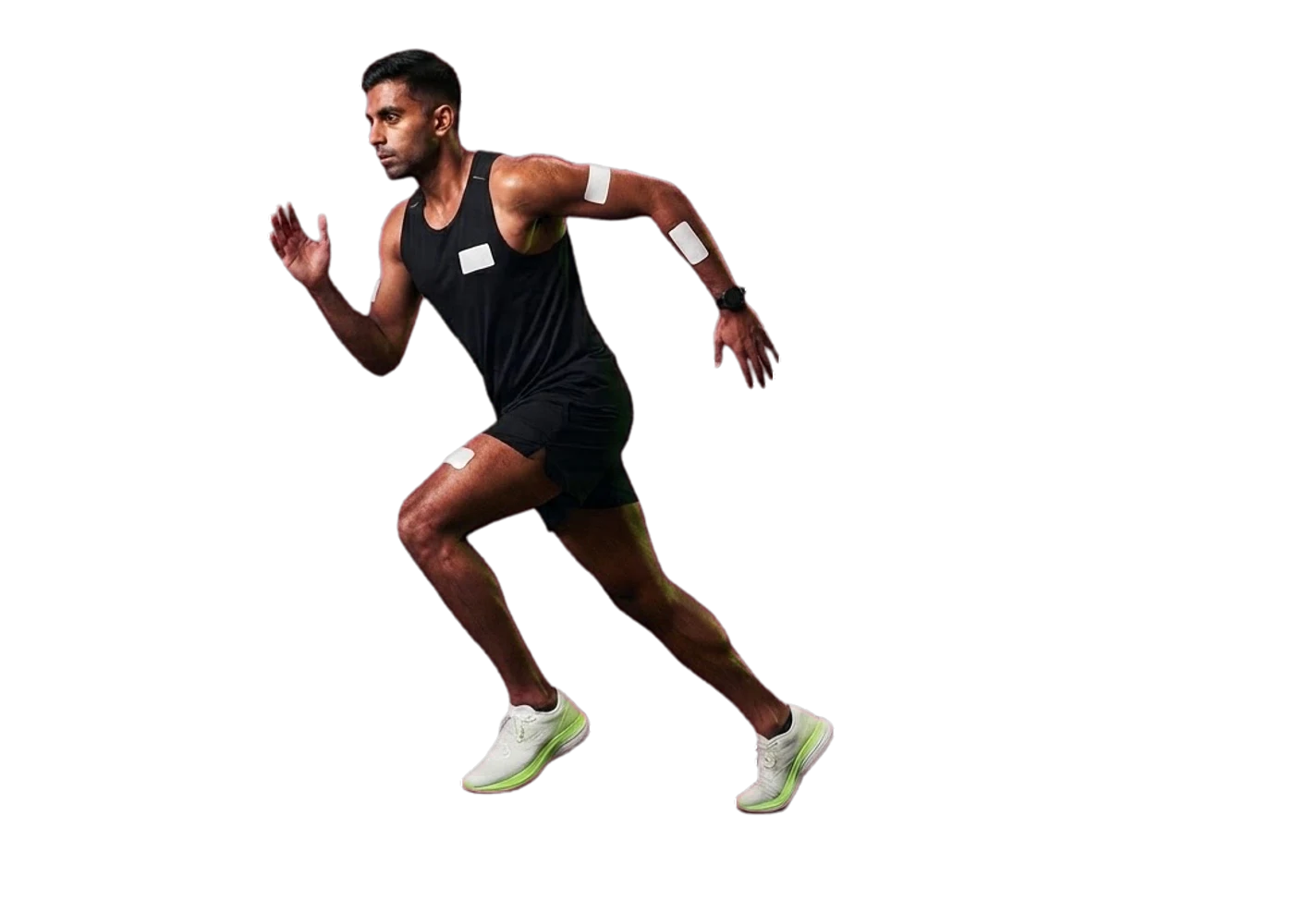
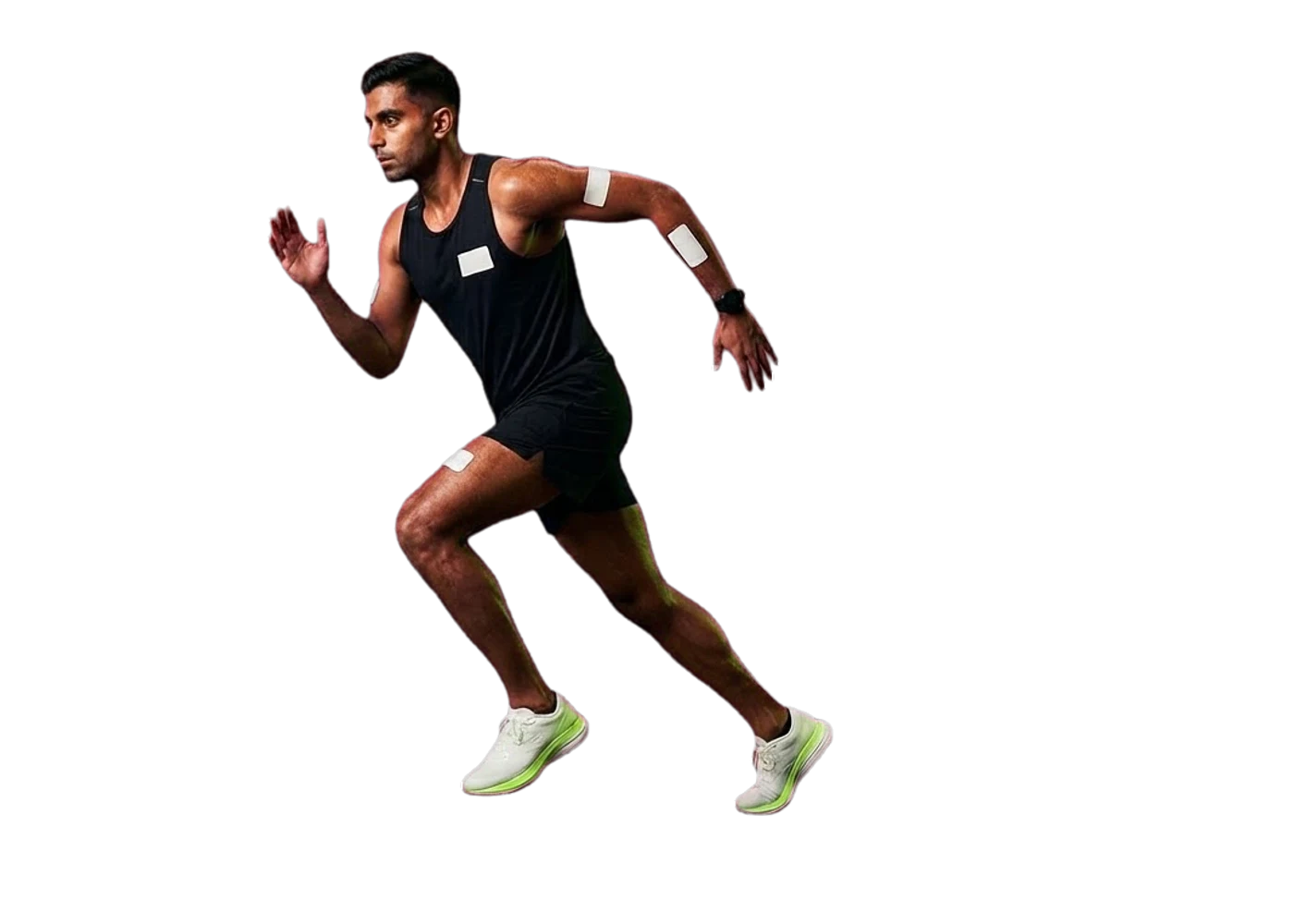
Pick your spot
Five spots for a temporary tattoo that lasts a whole race, cut to the size the organiser allows. The figures are what athletes usually ask for one race — you set your own. Tattoos reach you before race week.
What you can carry
Skin, kit, and the posts you were going to make anyway. You decide what is open and what it is worth. The figures are what athletes usually ask for — guidance for you, not a price list for brands.
Body
Race-grade temporary tattoos
- ChestRace tattoo · 8 × 4 cm
- BicepRace tattoo · 5 × 4 cm
- Upper backRace tattoo · 8 × 4 cm
- ForearmRace tattoo · 5 × 3 cm
- ThighRace tattoo · 8 × 4 cm
Kit
Printed on what you race in
- Race shirtPrinted front panel
- Shorts or tri-suitPrinted side panel
- Cap or headbandPrinted patch
Gear
Decals on what you carry and ride
- Helmet panelWeatherproof decal
- Bike frameTop tube or down tube decal
- Hydration vestFront strap panel
- Bottle or flaskWrap, seen at every aid station
Content
Posts marked #Ad
- Finish-line photoInstagram post
- Race-day reelInstagram reel
- Training reelOne reel in race week
- Race-morning storyInstagram story
Two ways to sponsor
Take a set number of athletes at a fixed price, or bid against other brands for the right to be carried by one athlete everybody wants.
Where most brands start
Buy a package
Pick a race and how many athletes you want. One price, agreed before anyone lines up.
- 1Tell us the race and how many athletes
- 2We send you a shortlist and you approve each athlete — turn down anyone who is not right for you
- 3They race carrying your name, and the photos and posts come back after
For the athletes brands compete over
Bid on an athlete
Some athletes finish near the front. Some already post to an audience that watches them. We put one up at a time and let brands bid for the right to be carried.
- 1We announce the athlete and when bidding closes
- 2Each takeover doubles the price, and only the brand holding it at the close pays
- 3Every athlete sets a floor. Below it, the spot simply does not sell
Nobody gets paid on trust
A brand is buying something happening on a body it has never met, in a city it has never been to. So we say exactly what counts as evidence before anyone books, and we check it by hand.
- 01
A close-up before the start
The placement on you, in focus, on race morning
- 02
An official race photo
Shot by the event's own photographers, with the brand visible
- 03
Your finish-line photo
The one you were going to post anyway
- 04
The post, live
Marked #Ad, the brand tagged, left up for at least a week
- 05
Your result
Timing-chip entry or the official results page, so we know you raced
If something goes wrong. If you get injured, pull out, or the race is cancelled, the brand is refunded in full and nothing is owed. If you race but the post never goes up, the placement is paid and the content is not. Nobody is charged for something that did not happen.
Ready to get REPD?
Athletes and brands belong on the same starting line. The next race is a few weeks out, and somebody is already training for it — paying for it themselves, with nothing on them.